A punching bag is the single most useful piece of combat sports equipment you can own at home. It gives you rounds of cardio, lets you drill combinations and is a brilliant way to switch off after work. The trick is picking one that suits your space, your body and the way you train, because the best bag in the world is useless if you cannot hang it or it fights you on every punch.
This guide covers where the bag will go, hanging vs freestanding, sizes and weights, filled vs unfilled, materials, noise, budget and a simple first workout so the bag does not end up as an expensive coat rack.
Start with where it is going
Before you look at brands, work out which of these describes your place:
- Garage or shed with exposed beams or a solid wall: a hanging heavy bag is the best option.
- Rental, apartment or a room you cannot drill into: a freestanding bag is the only realistic choice.
- Backyard or patio: either, but you will need a stand for a hanging bag and something to keep the weather off it.
Measure the space. A hanging bag needs at least a metre clear all the way round, more if you kick, and it swings further than you expect. A freestanding bag needs less room behind it but still needs space for you to move in front.
Hanging heavy bags
A hanging bag swings when you hit it, which is closer to hitting a real opponent. You have to move, time your shots and deal with the bag coming back at you. They are also the better choice for kicks, because the bag absorbs the impact and moves away rather than bouncing back off a base.

Which length?
- 3ft: punching only. Good for smaller spaces and lighter users.
- 4ft: the all-rounder. Long enough for body shots and low kicks for most people.
- 5ft and 6ft: Muay Thai and kickboxing, where you need room for leg kicks.
How heavy?
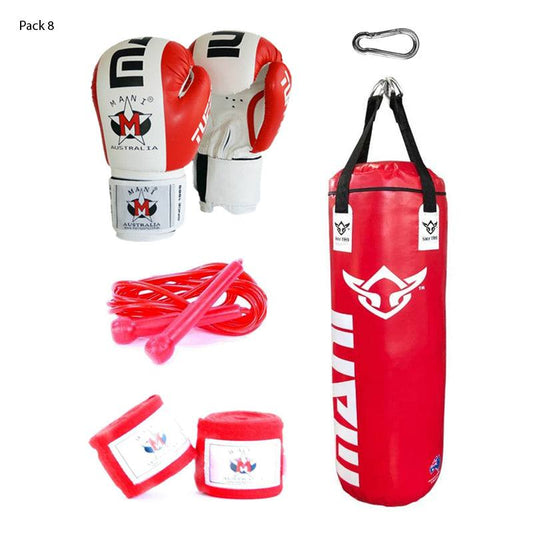
A common rule of thumb is a bag around half your body weight. Too light and it flies everywhere; too heavy and it feels like punching a wall. For most adults, a filled 4ft bag in the 30kg to 45kg range is about right. The Mani Commercial Grade 4ft Filled Bag arrives filled and is a solid place to start. See more in our heavy bags range.
| Your body weight | Suggested bag weight | Suggested length |
|---|---|---|
| Under 60kg | 20kg to 30kg | 3ft to 4ft |
| 60kg to 80kg | 30kg to 40kg | 4ft |
| 80kg to 100kg | 40kg to 50kg | 4ft to 5ft |
| Over 100kg, or kicking hard | 50kg plus | 5ft to 6ft |
Filled or unfilled?
Filled bags arrive ready to hang, with a consistent mix of fabric offcuts and padding that has been packed evenly. Unfilled bags are cheaper to ship and let you choose the weight, but filling one properly takes time. Most people fill with old clothes, rags or shredded fabric, sometimes with a sand bag in the middle for extra weight. Pack it in layers and compress each one, or the filling will settle to the bottom and leave a soft top and a rock-hard base. If you want to hit the bag the day it arrives, buy filled.
Materials
- Leather: the most durable and the nicest to hit. Costs more.
- Synthetic leather (PU, vinyl): the sweet spot for home use. Wipes clean and handles years of training.
- Canvas: tough but rough on bare knuckles and wraps. Fine with gloves.
Freestanding bags
Freestanding bags sit on a plastic base that you fill with water or sand. Nothing to drill, nothing to hang, and you can wheel it into a corner when you are done.

A few things to know before you buy one:
- Sand is heavier than water. A base filled with sand moves less. Water is easier to empty if you move house. Many people use a mix: sand first, then top up with water.
- They rock and slide. On tiles or floorboards, put a rubber mat underneath. It stops the base walking across the room and protects the floor.
- They are better for punches than heavy kicks. A hard round kick can tip a lighter freestanding bag. Bigger models handle kicks much better.
- Check the height. Some freestanding bags adjust. Make sure the striking area lines up with your head and body, not your chest and hips.
The SMAI Punch Master is a popular all-round freestanding bag, and the Morgan Tri-Max XL is taller and heavier for people who want to kick. Compare them all in our freestanding bags collection.
Hanging vs freestanding at a glance
| Hanging bag | Freestanding bag | |
|---|---|---|
| Installation | Beam, bracket or stand | Fill the base, done |
| Feel | Swings, more realistic | Rocks back, stays put |
| Kicks | Excellent | Good on larger models |
| Moving it | Hard | Easy once emptied |
| Best for | Garages, home gyms | Rentals, apartments |
Other bag types worth knowing
- Uppercut or angle bags: shaped for uppercuts and hooks. Great as a second bag, not as your only one.
- Speed balls and floor-to-ceiling balls: for timing and hand speed rather than power. See our speed ball vs floor-to-ceiling ball guide.
- Kids' bags: lighter and shorter, sized for smaller hands and bodies.
Noise and neighbours
Hanging bags clank on their chains and thump through walls. A heavy-bag spring or a swivel between the bag and the bracket takes a lot of that noise out. Freestanding bags are quieter on the hit but the base can thud on the floor, which is where a rubber mat helps again. If you share walls, train at sensible hours and avoid wall brackets on shared walls altogether.
What else you need
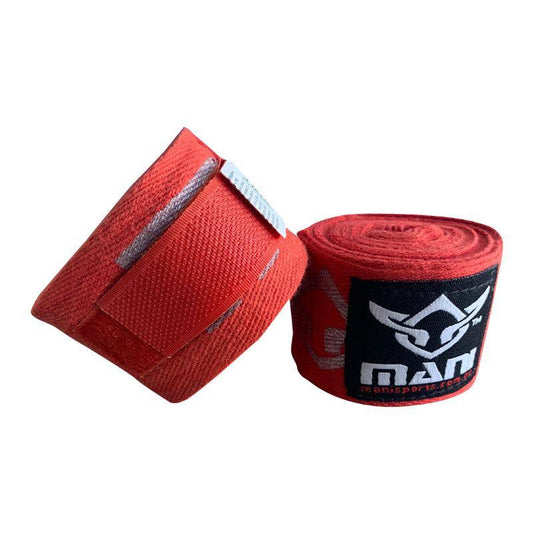
Do not hit any bag bare-handed. You need hand wraps and a pair of gloves made for bag work. Our guide to bag gloves vs sparring gloves explains what to look for, or jump straight to our bag gloves. Add a round timer (your phone works) and a skipping rope for warm-ups and you have a complete home setup. We go further in our home boxing gym setup guide.
Your first bag workout
Six rounds, three minutes on, one minute off:
- Round 1: light jab and cross, moving around the bag. Warm up, do not swing for the fences.
- Round 2: jab, cross, hook. Reset your stance after every combination.
- Round 3: body shots. Bend the knees to get down, do not just drop your hands.
- Round 4: 20 seconds hard, 10 seconds light, repeated.
- Round 5: defence. Throw two, slip or roll, throw two more.
- Round 6: your choice, finish strong.
Three sessions a week of this will improve your fitness noticeably within a month.
Looking after the bag
- Wipe it down after training. Sweat breaks down synthetic covers over time.
- Rotate a hanging bag a quarter turn every few weeks so it wears evenly.
- Keep it out of direct sun and rain. UV cracks vinyl.
- Check chains, straps and bolts every couple of months.
Frequently asked questions
Can I put a heavy bag in an apartment?
A freestanding bag on a thick rubber mat is the realistic option. Avoid hanging anything from apartment ceilings.
Will kicking a punching bag hurt my shins?
A little at first. Start with light kicks and build up. Shin guards are fine while you get used to it.
How long does a home bag last?
A good synthetic bag used a few times a week will last many years if kept out of the weather.
Our quick recommendation
- Own your place and have a garage? 4ft hanging bag on a wall bracket or ceiling mount.
- Renting or short on space? Freestanding bag with a sand-filled base and a rubber mat.
- Mainly kicking? 5ft or 6ft hanging bag, or the biggest freestanding bag you can fit.
If you are going the hanging route, read our step-by-step guide on how to hang a punching bag before you start drilling.